


You wake up, pull back the curtains, and there it is again. Water running down the inside of the glass, pooling on the sill, maybe even blackening the seal. You wipe it off, it comes back tomorrow. You might feel like you are doing something wrong, or that your house is somehow broken. It is not. This is condensation, and it is one of the most common problems in Irish homes. The good news is that you can stop it, and you do not need to spend money to start.
What is actually happening
Condensation is simple physics, not a fault in your windows. Warm air holds more moisture than cold air. When warm, damp air touches a cold surface, the air cools down, cannot hold the moisture, and water appears. Your windows are the coldest surface in most rooms, especially single glazed or older double glazing, so that is where the water lands.
The moisture comes from ordinary life. Two people sleeping in a closed bedroom put a surprising amount of water into the air through breathing. A shower can add litres. Cooking, boiling the kettle, even houseplants contribute. But the biggest single source in Irish homes, and the one most people underestimate, is wet washing dried on radiators or clothes horses indoors. One load of washing can release several litres of water into your air.
Free fixes that actually work
Before you buy anything, try these. They cost nothing and often solve the problem completely.
- Ventilate briefly but properly. Open a window fully for five to ten minutes, ideally on opposite sides of the house to create a cross draft. This exchanges all the moist air for fresh outdoor air. Do this after showering, cooking, and first thing in the morning. It works better than leaving a window cracked all day, which just lets heat out without shifting much air.
- Keep heating steady, not in bursts. Many Irish homes are heated in morning and evening blasts, then left cold. This creates big temperature swings. Warm air hits cold glass, condensation forms. A lower, steady temperature keeps surfaces warmer and reduces the temperature gap that causes condensation.
- Stop drying washing indoors without extraction. This is the hardest habit to break, especially in winter. If you must dry indoors, put the clothes horse in one room with the door shut and a window open, or use a bathroom with the extractor fan running. Never drape wet clothes directly on radiators in living spaces or bedrooms.
- Use extractor fans properly. Run the bathroom fan during showers and for a good while after. Run the kitchen extractor when boiling, frying, or using the kettle. Check that the vents actually lead outside, not into the attic or a wall cavity.
- Wipe windows and dry the cloth. If you do get condensation, wipe it off with a cloth and dry that cloth outside or in the tumble dryer. Do not leave wet cloths sitting in the room.
When you need a machine
If you have tried the free fixes and still wake to streaming windows, or if you cannot ventilate properly because of security, noise, or keeping heat in, a dehumidifier becomes sensible. It will not fix every damp problem, but it fixes condensation very well.
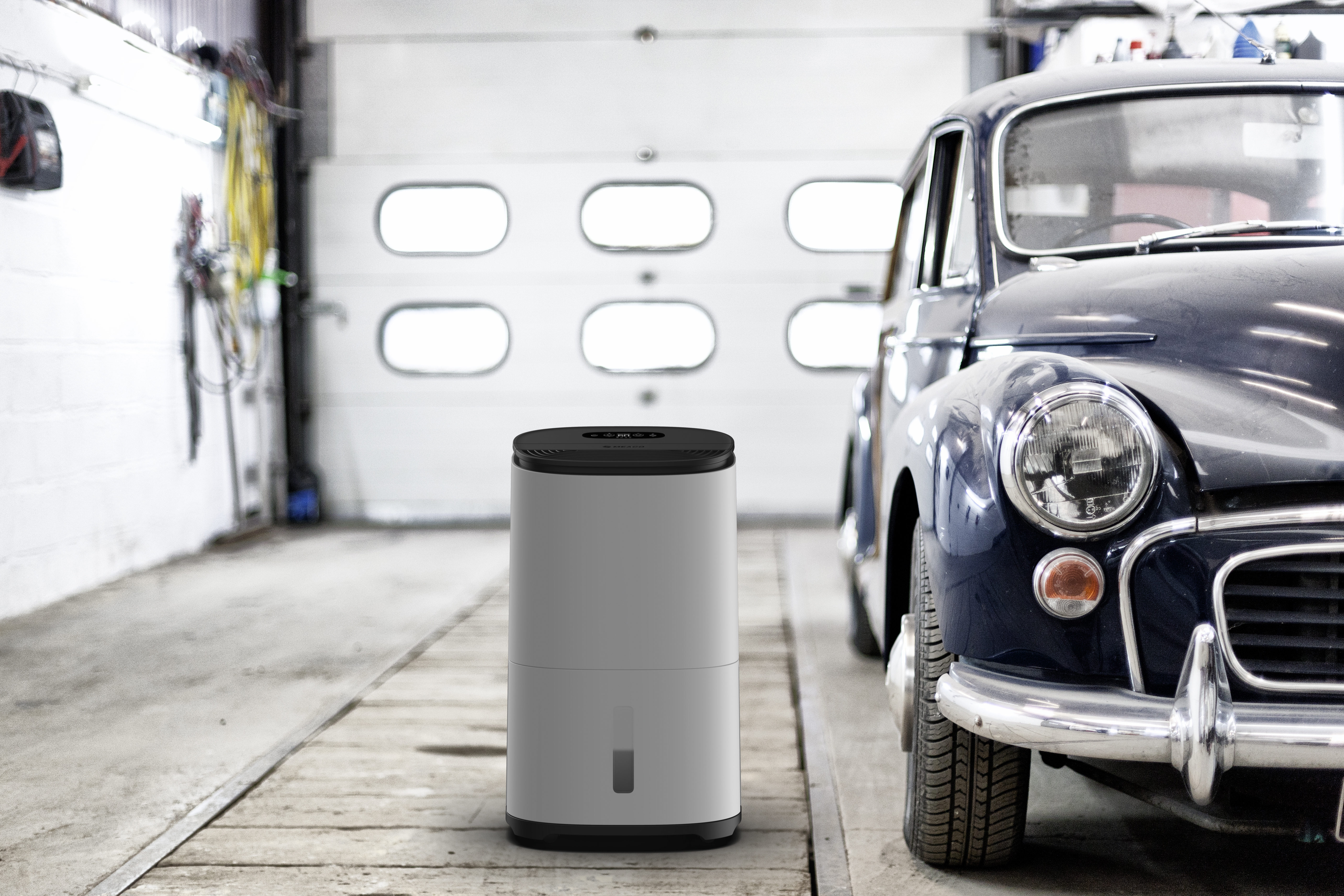
A compressor dehumidifier works by pulling in air, cooling it to extract water, then warming the dry air slightly before blowing it back out. It is designed for the cool, damp conditions of an Irish winter. You set it to run automatically, empty the tank when full, and it steadily reduces the moisture in your air until condensation stops forming.
Place it in the room where the problem is worst, or centrally if the whole house suffers. Keep doors open so it can draw air from around the home. Running costs are modest, less than many people fear, especially if you use it to target the worst hours rather than running constantly.
What a dehumidifier will not do
This matters. A dehumidifier treats the symptom, not every cause. It will stop condensation on windows and reduce musty smells. It will not fix:
- Structural leaks. Water coming through walls, roofs, or around pipes needs a builder, not a machine.
- Rising damp. If your lower walls are permanently wet, salty, or crumbling, you need a damp specialist to check drainage, membranes, and ventilation below floor level.
- Poor ventilation in bathrooms or kitchens. Extractor fans are still essential. A dehumidifier helps but cannot replace proper extraction at the source.
- Cold bridging in walls. If your home has thermal bridges where insulation is missing, those spots will stay cold and may still grow mould even with drier air.
If you have black mould on walls, not just windows, or if the damp smells earthy rather than musty, or if it appears in one specific spot regardless of weather, get a professional survey. Buying a dehumidifier in those cases delays the real fix and wastes your money.
The short answer
Start free. Ventilate properly for a few minutes morning and evening, keep heating low and steady rather than blasting, and stop drying washing indoors without containing it and extracting the air. If you still have streaming windows after two weeks of this, a compressor dehumidifier is the right next step for an Irish home. It will solve the condensation. It will not fix leaks, rising damp, or cold bridging, so be honest with yourself about whether your problem is just moist air or something deeper.